

From the outset, DAWN’s analysis has included an understanding of the concerns surrounding sustainable livelihoods for women in the global South. More recently, with nature already “answering back” in many places and the margins of ecological survival shrinking, particularly for impoverished communities, we recognise the need to pay greater attention to the health of the planet alongside human rights. In fact, ecological issues cannot be disassociated from women’s rights, including the adverse effects on their sexual and reproductive health, or from political and economic concerns over the inequitable allocation of natural resources. Our intention, therefore, is to develop DAWN’s political ecology analysis based on Southern feminist perspectives and experiences, and conceptually linked to our continuing critique of global trends in the body politics, governance and political economy arenas.
Related itens / view all
Peoples’ Summit “WTO Out, Building Sovereignty,” pursuing alternatives
G20 and Women20 agenda: lessons learnt and challenges for the construction of a new feminist forum
What are we talking about when we talk about gender and trade?
Privatisation of the multilateral system and the National States: the case of Brazil
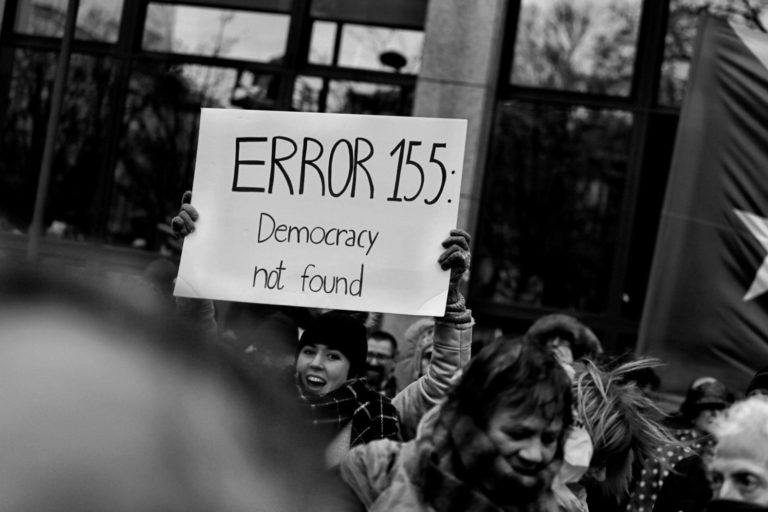
Challenges of the global order: multilateralism and human rights
Addressing Gender and Trade Issues in Trade Agreements: Creating more problems than solutions?
How to read a trade agreement
An overview of the World Women’s Assembly at the World Social Forum 2018
Una mirada sobre la Asamblea Mundial de Mujeres en el Foro Social Mundial 2018
¿Cómo leer un tratado de comercio?
Abordando las cuestiones de género en los tratados comerciales: ¿más problemas que soluciones?