
From the outset, DAWN’s analysis has included an understanding of the concerns surrounding sustainable livelihoods for women in the global South. More recently, with nature already “answering back” in many places and the margins of ecological survival shrinking, particularly for impoverished communities, we recognise the need to pay greater attention to the health of the planet alongside human rights. In fact, ecological issues cannot be disassociated from women’s rights, including the adverse effects on their sexual and reproductive health, or from political and economic concerns over the inequitable allocation of natural resources. Our intention, therefore, is to develop DAWN’s political ecology analysis based on Southern feminist perspectives and experiences, and conceptually linked to our continuing critique of global trends in the body politics, governance and political economy arenas.
Related itens / view all
Lessons from the pandemic on access to health: a feminist intersectional perspective on south america
“We are going to die of hunger before this virus even kills us”: The political economy of health amidst COVID-19 for marginalised groups in Africa
Effects of COVID-19 on HIV-vulnerable populations in West Africa and Senegal
Lessons from Threepacific Island States responses to the COVID-19 Pandemic
Pathways to Gender Equality in the Platform Economy: A Policy Agenda for Beijing+30 and Beyond
Libro ‘Decrecimiento ecofeminista. Desacelerar para recuperar la vida’

FfD should be a feminist agenda: Corina Rodríguez Enríquez at Eurodad International Conference 2025
Impacto de Genero del Involucramiento de China en el Sur Global
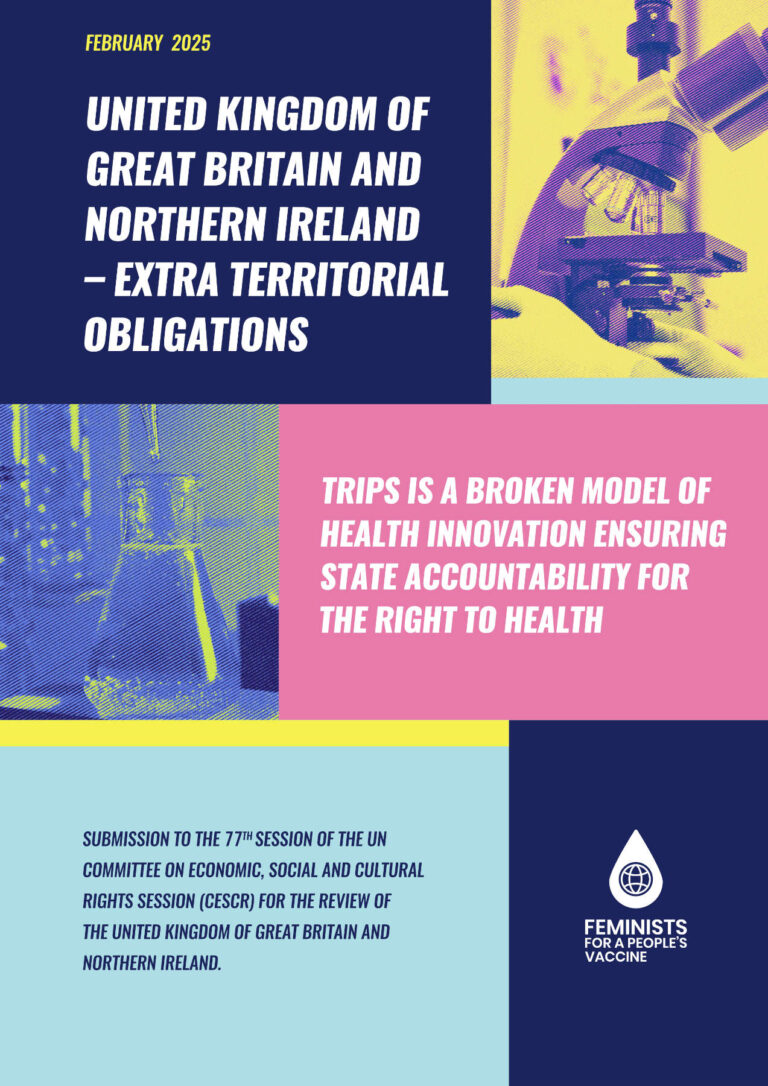
UK Shadow Report to the 77th Session of the UN CESCR
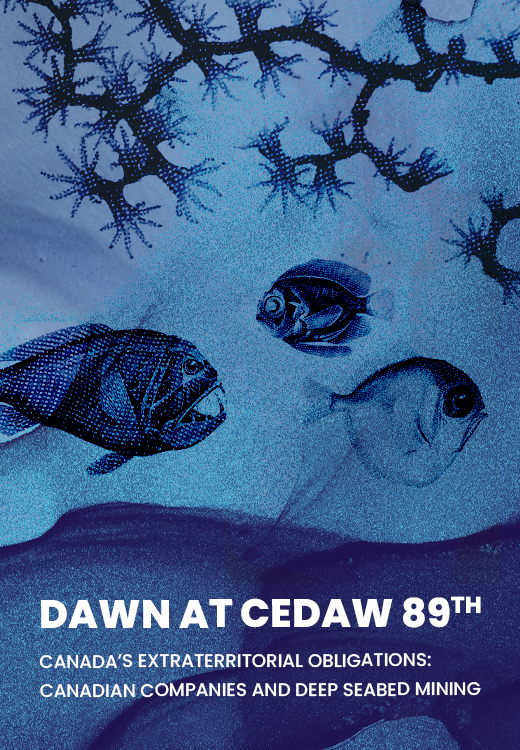
DAWN at CEDAW 89: Canada’s Extraterritorial Obligations and Deep Seabed Mining
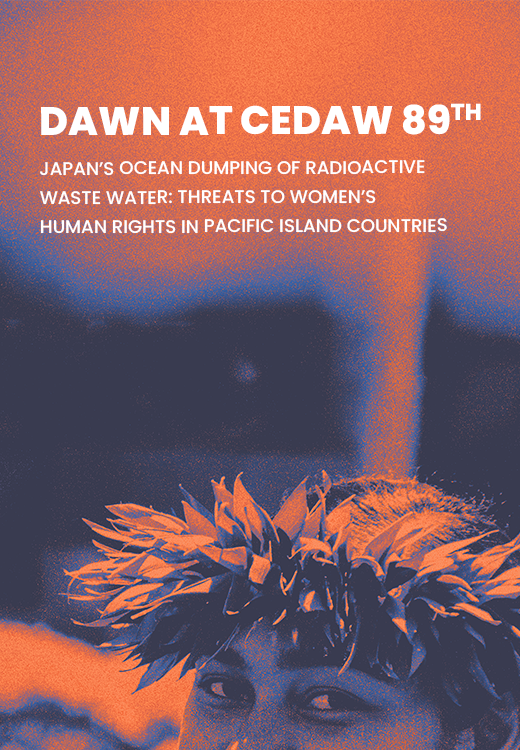
DAWN at CEDAW 89: The Impact of Japan’s Ocean Dumping of Radioactive Wastewater in the Pacific