
From the outset, DAWN’s analysis has included an understanding of the concerns surrounding sustainable livelihoods for women in the global South. More recently, with nature already “answering back” in many places and the margins of ecological survival shrinking, particularly for impoverished communities, we recognise the need to pay greater attention to the health of the planet alongside human rights. In fact, ecological issues cannot be disassociated from women’s rights, including the adverse effects on their sexual and reproductive health, or from political and economic concerns over the inequitable allocation of natural resources. Our intention, therefore, is to develop DAWN’s political ecology analysis based on Southern feminist perspectives and experiences, and conceptually linked to our continuing critique of global trends in the body politics, governance and political economy arenas.
Related itens / view all
A pandemia dois anos depois
Shadow Report to the 83rd Session of the CEDAW: Belgium’s obligation to support a global public good approach to COVID-19 diagnostics, vaccines and therapeutics
Shadow Report to the 83rd Session of the CEDAW: Switzerland’s obligation to support a global public good approach to COVID-19 tools
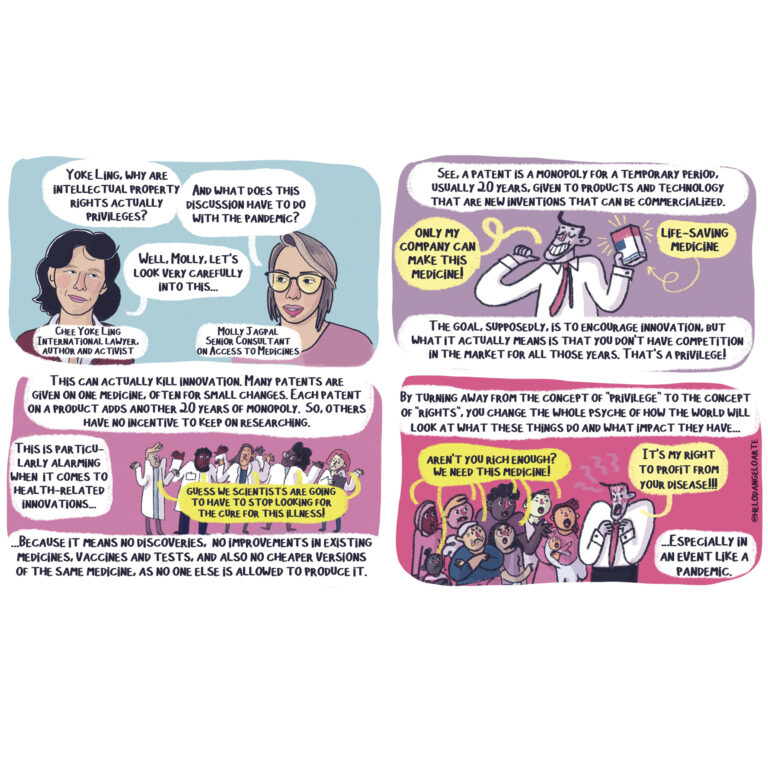
The right to health: patent monopoly and access to medicines
The right to health: patent monopoly and access to medicines
The right to health: patent monopoly and access to medicines
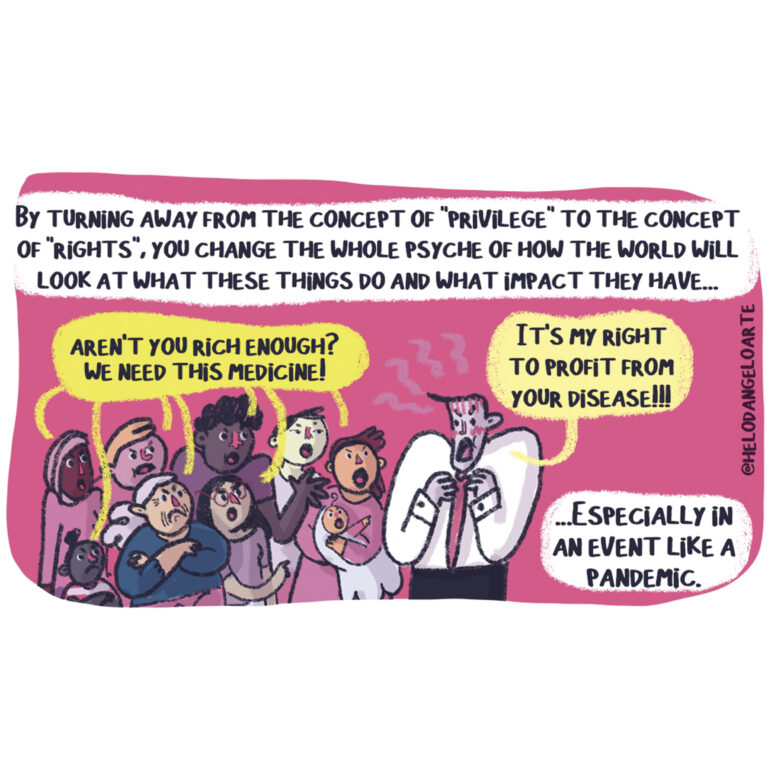
The right to health: patent monopoly and access to medicines

What you should know about Pfizer’s COVID-19 pill
The Highway of the Future
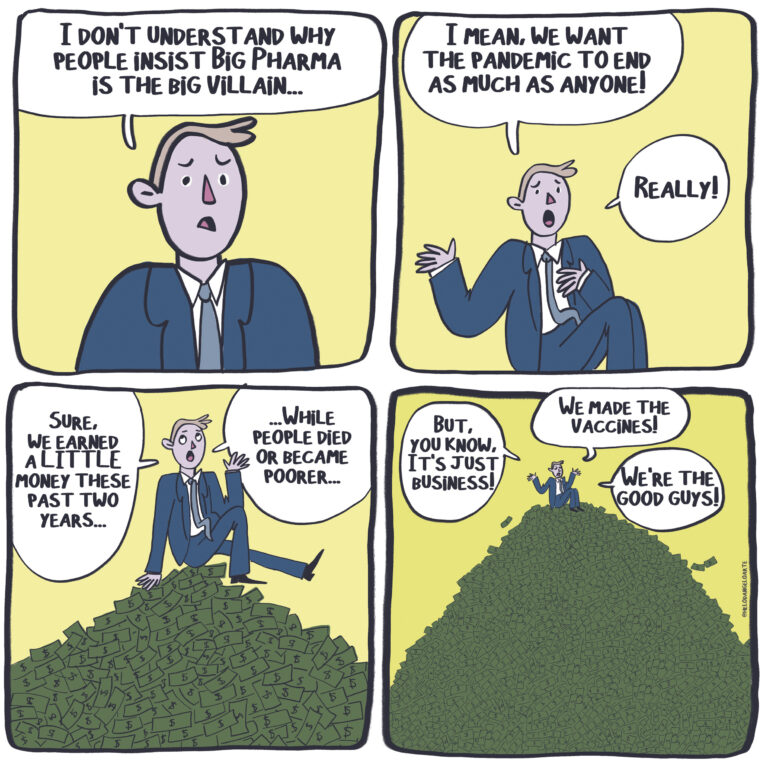
Pfizer forecasts $54 billion dollars in 2022 with the surging sales of its Covid-19 shots & treatment
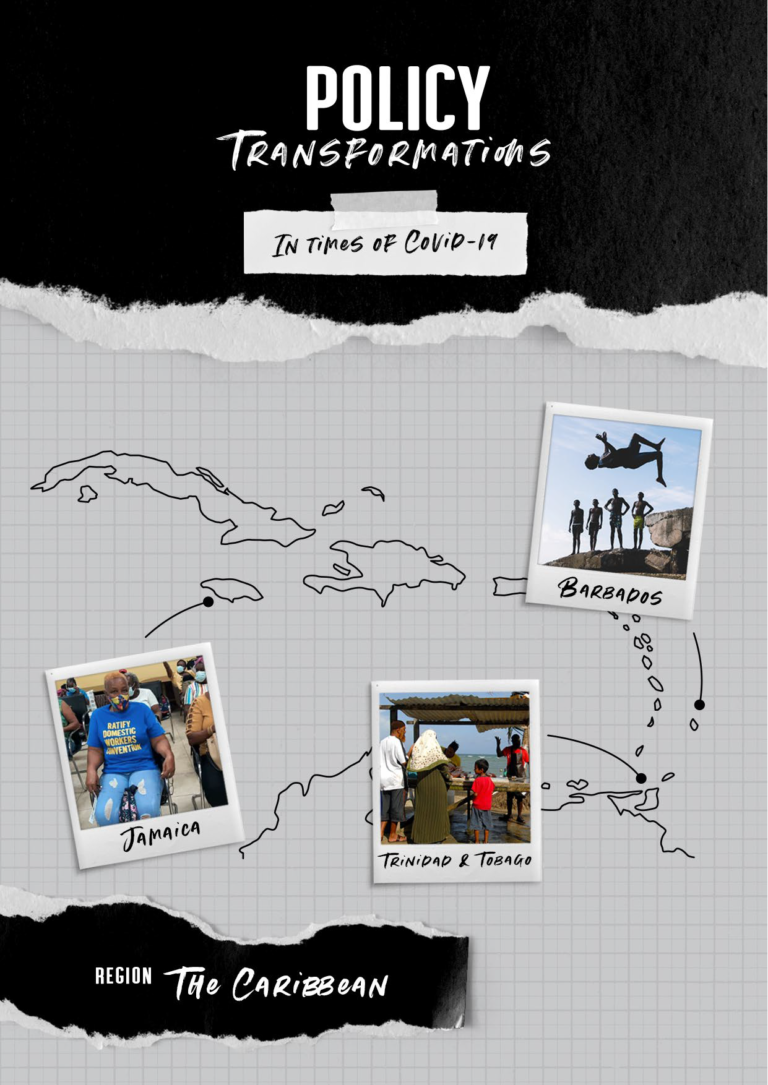
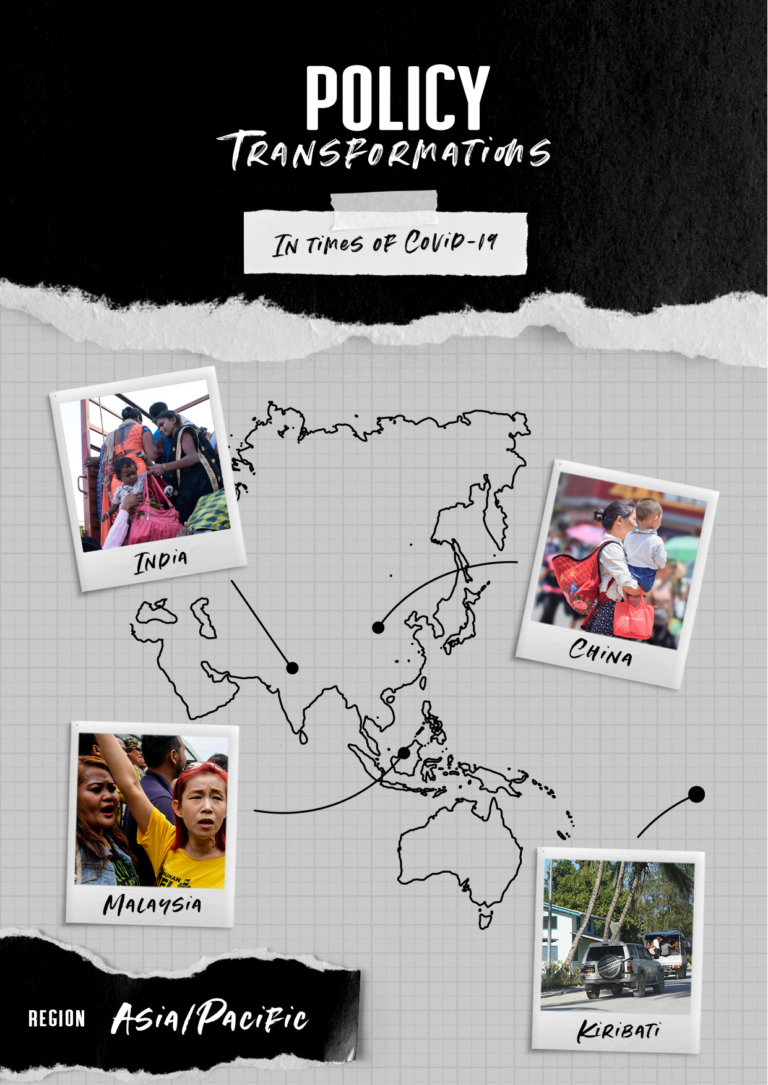
Policy Transformations: The Caribbean’s Visual Summary